


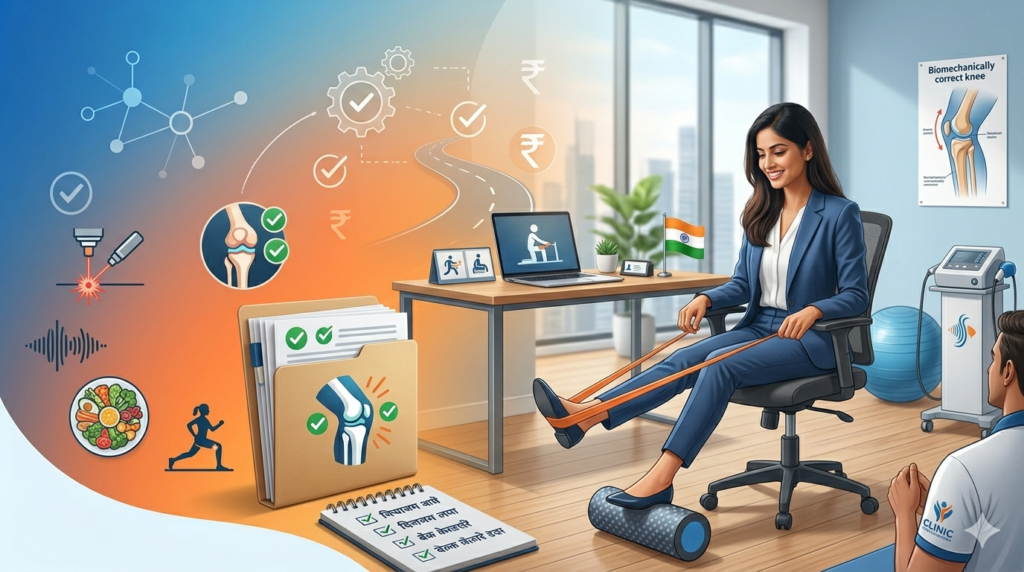
Introduction
Knee pain is one of the most common joint problems affecting people of all ages, especially in India. Whether caused by injury, arthritis, or aging, it can limit movement and reduce quality of life.
The good news is that surgery is not always necessary. Many cases of knee pain can be effectively managed with non-surgical treatments. In this blog, we’ll explore the most effective methods to relieve knee pain without surgery and improve mobility naturally.
Common Causes of Knee Pain
Understanding the cause helps in choosing the right treatment.
- Osteoarthritis (joint wear and tear)
- Ligament injuries
- Tendinitis
- Meniscus tears
- Obesity and lifestyle factors
Early diagnosis ensures better recovery without surgical intervention.
Symptoms of Knee Pain
- Pain while walking or climbing stairs
- Swelling and stiffness
- Reduced range of motion
- Clicking or grinding sensation
- Weakness in the knee
If symptoms persist, proper treatment is necessary.
Effective Non-Surgical Treatments for Knee Pain
1. Medications for Pain Relief
Doctors may recommend medications to reduce pain and inflammation:
- NSAIDs like Ibuprofen or Diclofenac
- Paracetamol for mild pain
- Topical gels and sprays
 For detailed medicine options, read Best Joint Pain Relief Medicines in India: Complete Guide
2. Physiotherapy & Exercise
Physiotherapy is one of the most effective treatments for knee pain.
Includes:
- Strengthening exercises
- Stretching routines
- Balance and mobility training
Benefits:
- Improves joint flexibility
- Strengthens surrounding muscles
- Reduces pain naturally
3. Weight Management
Excess body weight puts pressure on knee joints.
- Losing weight reduces stress on knees
- Improves mobility and decreases pain
Even small weight loss can make a big difference.
4. Hot & Cold Therapy
Simple yet effective home remedies:
- Ice packs reduce swelling
- Heat therapy relaxes muscles
These methods provide quick relief when used regularly.
5. Lifestyle Modifications
Daily habits play a major role in recovery:
- Avoid prolonged sitting
- Use proper posture
- Wear comfortable footwear
- Stay active with low-impact exercises
6. Knee Support & Bracing
Using knee braces or supports helps:
- Stabilize the joint
- Reduce strain during movement
- Prevent further injury
7. Alternative Therapies
Many people benefit from:
- Yoga and stretching
- Acupuncture
- Ayurvedic treatments
These therapies complement conventional treatment.
8. Advanced Non-Surgical Treatments
For moderate to severe cases:
- Injections (corticosteroids or hyaluronic acid)
- Platelet-rich plasma (PRP) therapy
- Pain management programs
India offers advanced yet affordable options for knee care.
Daily Tips for Managing Knee Pain
- Stay active but avoid overexertion
- Use supportive footwear
- Maintain a healthy diet
- Practice regular stretching
- Avoid sudden movements
Consistency is key for long-term relief.
When to Consult a Doctor
Seek medical advice if:
- Pain persists for weeks
- Swelling increases
- Difficulty in walking
- Knee instability or locking
Early treatment can prevent surgery.
Conclusion
Knee pain does not always require surgery. With the right combination of medications, physiotherapy, lifestyle changes, and advanced treatments, you can effectively manage pain and improve mobility.
Taking proactive steps today can help you avoid complications and lead a more active, pain-free life.
FAQs (Frequently Asked Questions)
1. Can knee pain be treated without surgery?
Yes, most cases can be managed with physiotherapy, medications, and lifestyle changes.
2. What is the fastest way to relieve knee pain?
Rest, ice therapy, and pain relief medicines provide quick relief.
3. Is walking good for knee pain?
Yes, but it should be done in moderation and with proper support.
4. How long does knee pain take to heal?
It depends on the cause, but mild cases may improve within weeks.
5. When is surgery necessary?
Surgery is considered only when non-surgical treatments fail.